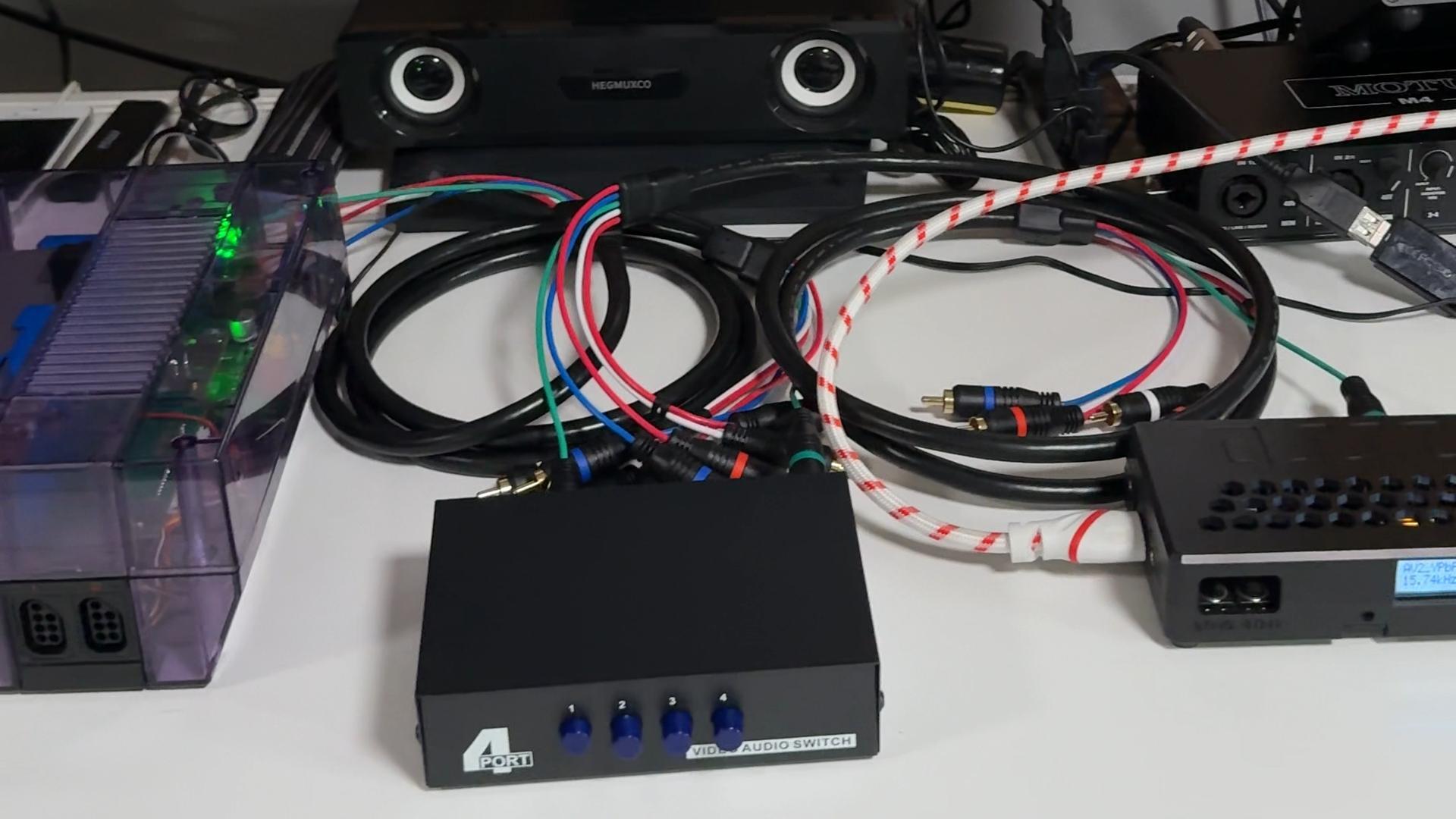
A new Lumacode test takes on a very practical question for retro setups: what happens when a Lumacode-modded console runs through a switch first instead of going straight to the display chain?
The idea is simple. If it works well, people with more than one Lumacode-modded console could connect them all to a switch, then send that signal out to a digitizer or an OSSC.
This demo uses a properly modded NES, and that part matters. The installation used shielded cables, which means the result shown here reflects a setup that was put together with care.
There is still some room for variation. Different consoles, and even different games, might behave differently, so this should be seen as a useful test case rather than a final answer for every setup.

If you are trying to get an OSSC ready for Lumacode, there is also a separate setup post covering how to update an original OSSC for use with the mod.
For readers who want to go deeper, there are a few extra places to look. One guide covers OSSC setup, another points to Lumacode background info, and there is also an interview with creator c0pperdragon for more context on the project itself.
There is also an installation video from Tito at Macho Nacho Productions, using this same NES. Taken together, the demo, setup links, and install coverage make this a handy starting point for anyone curious about building a cleaner multi-console Lumacode setup.