Yoko Taro did not set out with a tidy master plan to become one of games' most unusual directors. In his own telling, the path came through luck, Capcom, and a habit of talking a lot when ideas were being shaped.
The creator now best known for Nier: Automata looks back on that early road in The Worlds of Yoko Taro, a new book from Archipel. An excerpt published by journalist Matt Leone on his oral history website focuses on Taro's time at Cavia and the making of Drakengard.
Drakengard was his first project as director. The 2003 PlayStation 2 action RPG was developed at the now-closed studio Cavia and published by Square Enix. It has since become one of those strange, prickly cult games that retro players still talk about because it does not feel neat or ordinary.
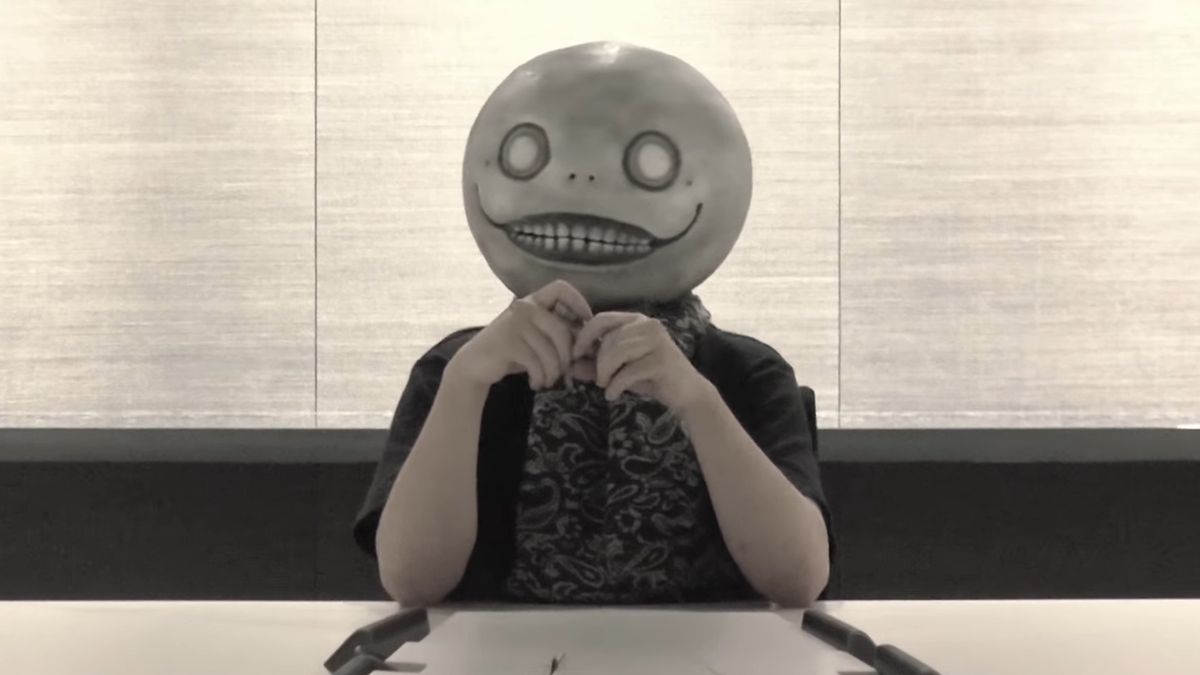
Taro presents the job almost casually, as if directing simply happened after enough conversation. That may be modesty, nerves, or part of the mask he often keeps between himself and the public. He is known for wearing a round, moon-like head covering, using a stylized professional name, and joking about himself in a way that keeps easy answers at a distance.
His legal name, in Western order, is Tarō Yokoo. The stage name, the mask, and the self-deprecating comments all fit a creator who rarely seems eager to stand in plain view. Even when discussing his own work, he tends to step forward, then step back again.
Still, Drakengard gave him room. According to Taro, Square Enix had very little influence over the final version. He later acknowledged that this lack of close attention from producers gave him space to build the kind of world he wanted.
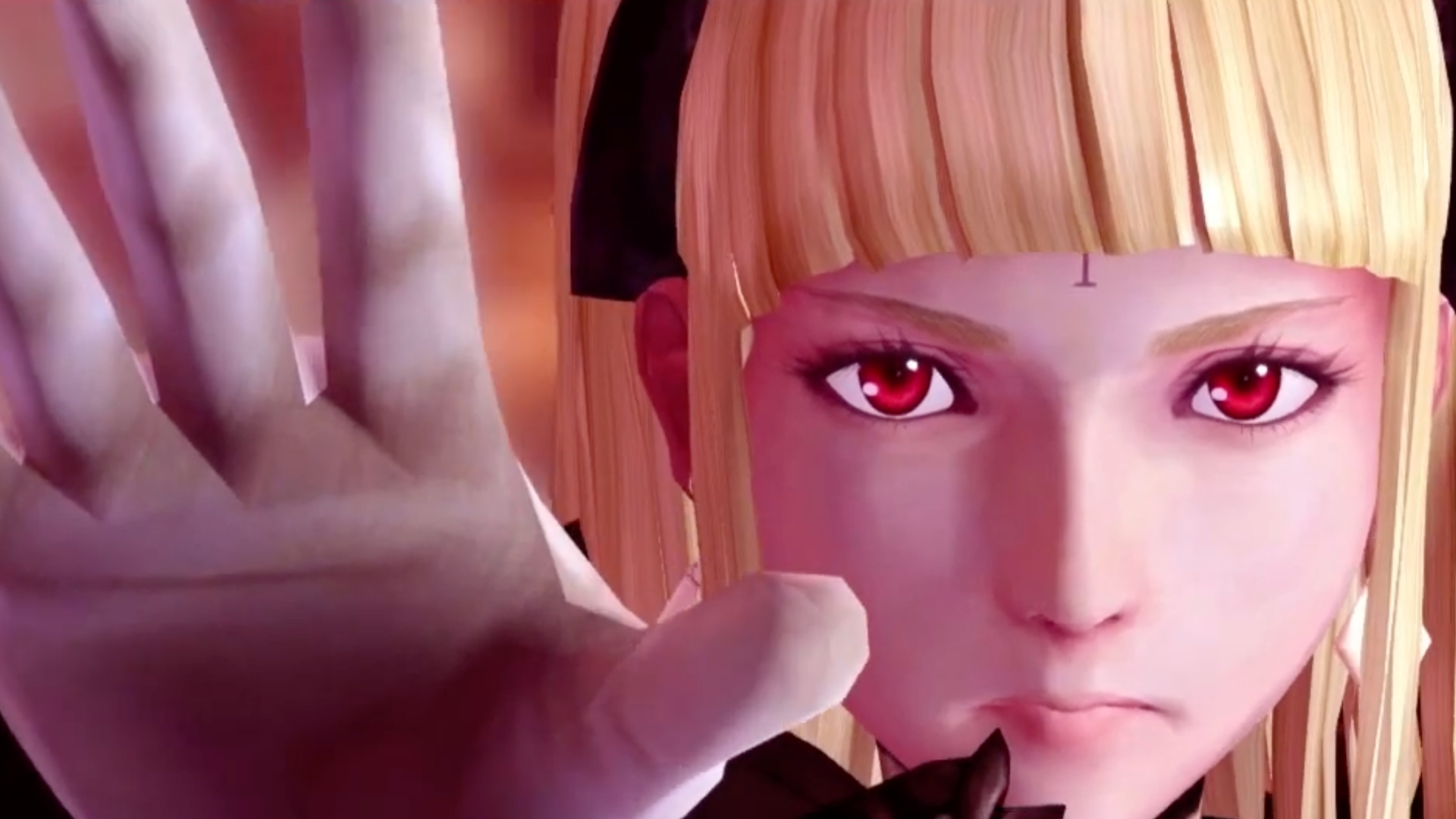
Even there, he avoids making the story too romantic. He suggests the same kind of freedom may have affected later projects too, but he also pulls the focus away from pure personal expression. For Drakengard, he says the starting point was an assignment from Enix, followed by looking at the game market of the time and making practical choices from there.
That balance is the interesting part. Some of Taro's personality may have reached the finished game, and he admits as much. But he frames the work as calculation as well as instinct: a job, a market, a set of conditions, and then the odd result that came out of them.
He has also described his generation of game directors as having many unusual personalities, himself included. His reason is simple: games were not as mainstream when they were entering the field, so the people drawn to making them could be a little stranger around the edges.
For retro fans, that makes his story feel very of its era. Drakengard was not polished into something broadly comfortable, and Taro's own explanation is just as slippery. He became a director through circumstance, chatter, freedom, and analysis, then helped leave behind a game world that still feels slightly out of step in the best way.