A Brighter Hoenn
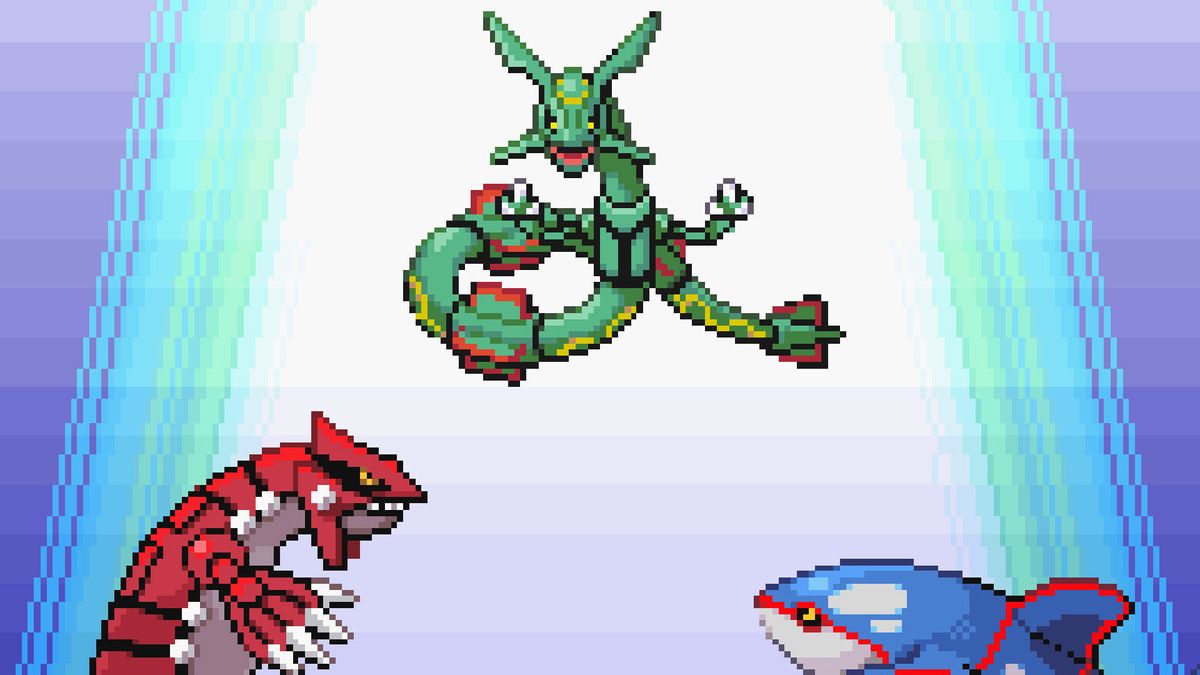
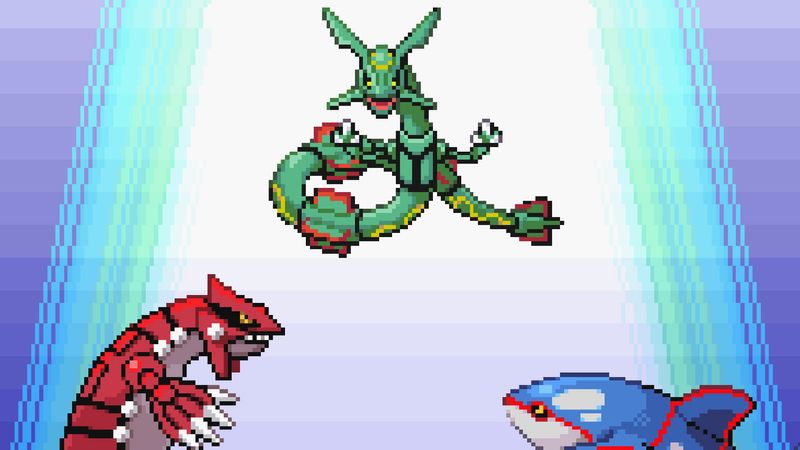
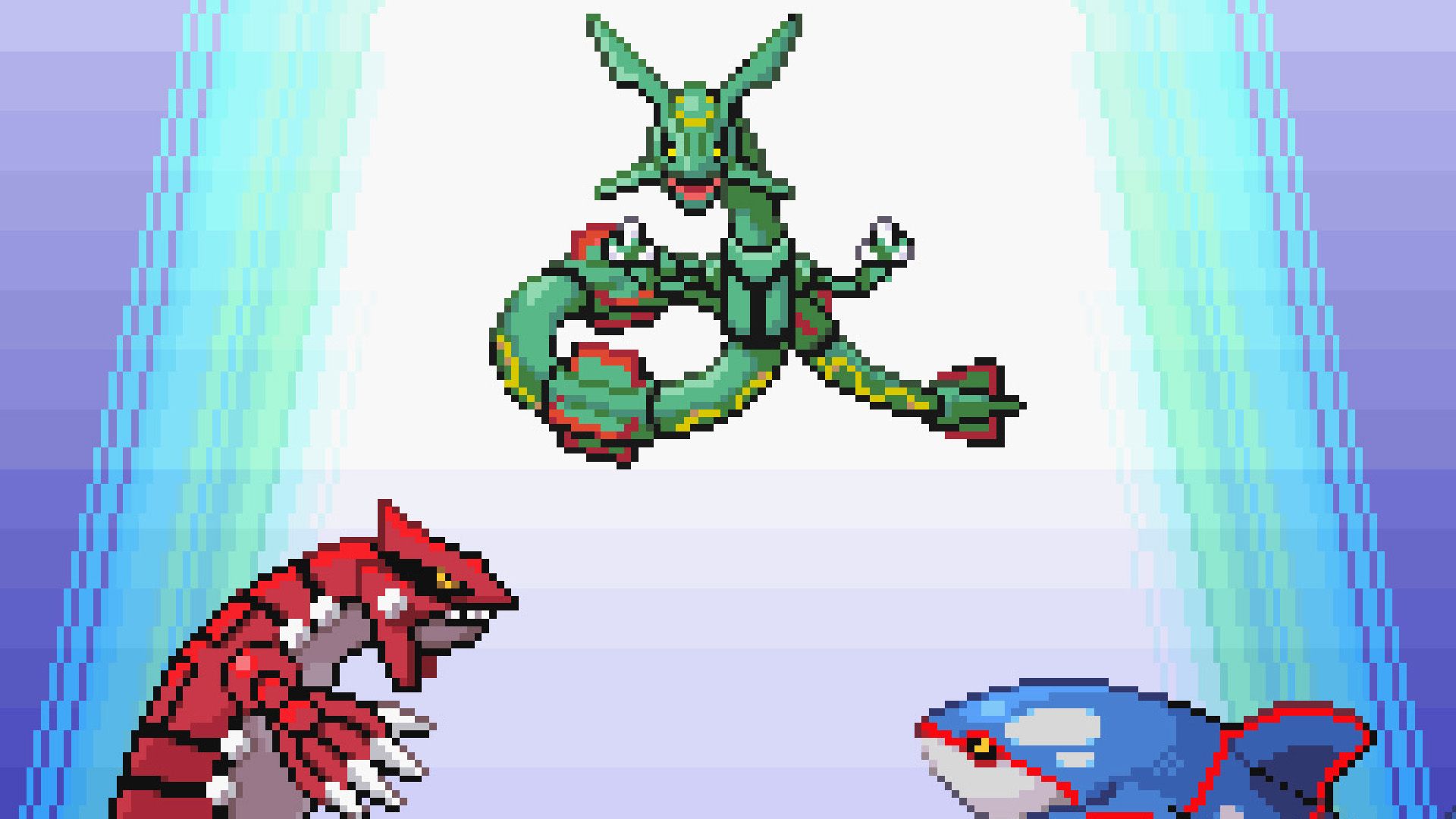
Pokemon Ruby, Sapphire, and Emerald were a real turning point for the monster-catching series. On Game Boy Advance, the world could look shinier, denser, and more expressive than it had on Game Boy and Game Boy Color. Hoenn felt like a new step forward, not just because the pixels had more detail, but because the games found new ways to make Pokemon feel individual.
Generation 2 had already refined the basics in smart ways, but Generation 3 pushed deeper. It added systems that made two Pokemon of the same species feel less like copies of each other. Your team could have quirks, strengths, passive traits, and hidden differences that made it feel like your own little lineup of odd companions, not a standard set pulled from a guidebook.
Personal Pokemon With Hidden Depth
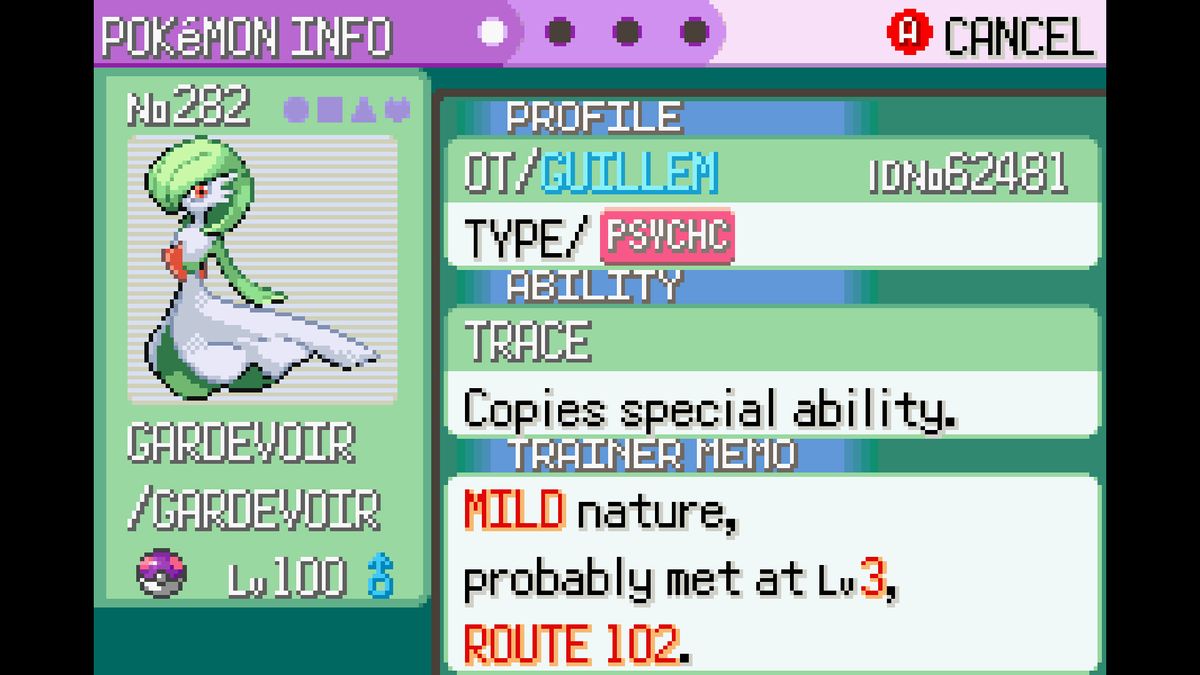
One of the big changes was the arrival of Natures, alongside hidden Individual Value stats, often shortened to IVs. These details affected how a Pokemon developed, giving each one a little more personality beneath the surface. Even before thinking about moves or type matchups, a Pokemon could already feel different from another caught in the same patch of grass.
That mattered because the series had always been about attachment as much as collecting. Ruby, Sapphire, and Emerald leaned into that feeling. The games made the bond between trainer and team feel more specific, as if the creatures you carried through Hoenn had their own small mechanical fingerprints.
Abilities Added Everyday Character
Generation 3 also introduced Abilities. A Pokemon could have one or two possible Abilities from a pool of 77, and these worked as passive traits on top of types and moves. They could matter during battle, but some also affected the wider adventure. It was another layer of identity, and it made team building feel livelier.
The clever part was that Abilities did not replace the older ideas. They sat beside them. A Pokemon still had its type, its moves, and its stats, but now it also had a special attribute quietly shaping how it behaved. For a series built on tiny differences, that extra detail gave players more to notice and remember.
Secret Bases Left A Mark
Secret Bases brought a warmer, more personal touch to the Hoenn map. If you had a Pokemon that knew Secret Power, you could open a hidden area and decorate it with accessories, furniture, and Pokemon dolls. It was a small private space tucked into the world, and it gave players a way to leave a visible imprint on their adventure.
The feature also had a social side. By communicating with other players, you could share these dens, letting another game include an NPC version of you. For a handheld RPG from this era, that was a charming idea: your choices could echo into someone else's cartridge, almost like a little retro calling card.
Battles And Routes Got Busier
Double Battles made their debut in this generation, letting you send out two Pokemon at once against an opponent. That simple change added a new shape to combat. Moves could support a partner, and planning became more layered. There was also a warning built in: some attacks could hit your own Pokemon too, so power was not always enough.
Weather also grew beyond its earlier role. Generation 2 had used in-battle weather to boost certain elemental moves, but Generation 3 brought weather into the field. A route's conditions could change how effective your partners were, and certain Pokemon could become more or less likely to appear in the wild. Together, these ideas made Hoenn feel less static and more like a place with its own rhythm.
Why These Ideas Mattered
- The Game Boy Advance helped the series look richer and more detailed.
- Natures, IVs, and Abilities made individual Pokemon feel more distinct.
- Secret Bases gave players a personal space inside the world.
- Double Battles and route weather added fresh strategy and atmosphere.