The Switch 2 Port Put to the Test
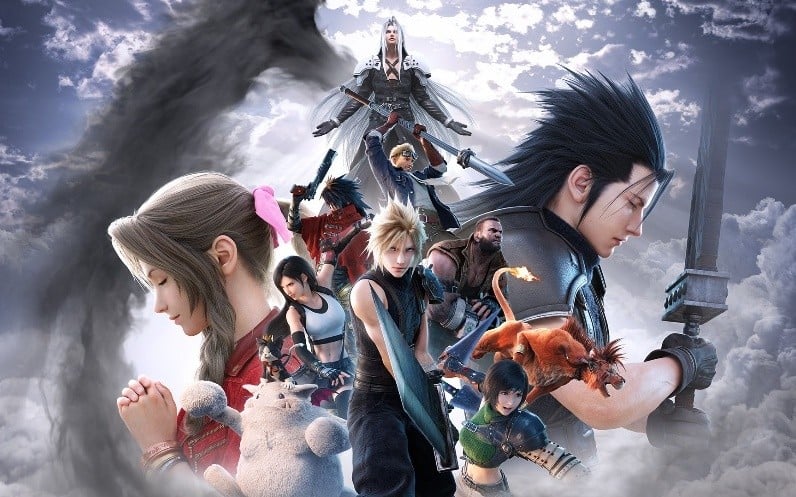
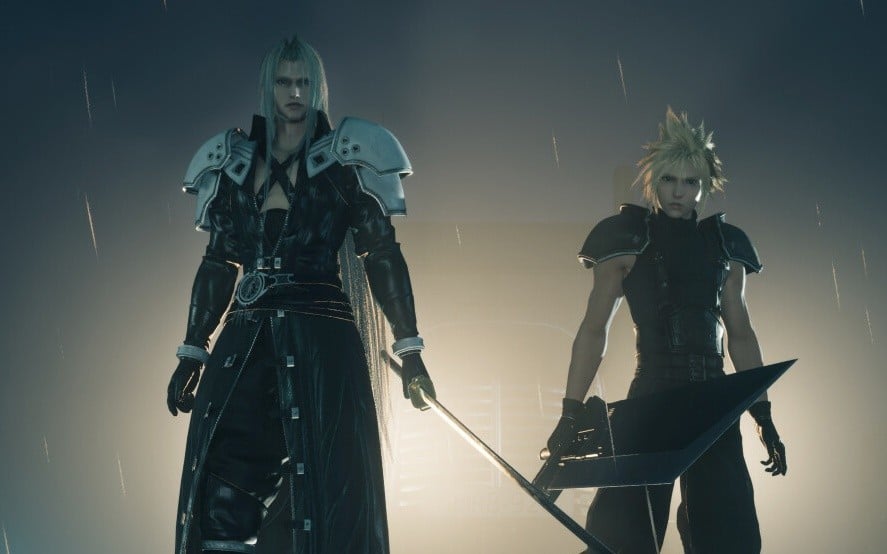
Square Enix's push to bring Final Fantasy VII Rebirth to the Switch 2 has generated significant discussion, and with the recent release of a playable demo on the Nintendo eShop, players finally have their hands on the code. The massive open-world RPG was initially designed to push the limits of current-generation console hardware, making its transition to a hybrid handheld device a subject of intense technical curiosity. For players who remember when portable systems only received heavily compromised spin-offs or low-resolution demakes, seeing a flagship release like this running natively on a handheld is a striking development.
To get a better sense of how the hardware holds up, the popular YouTube technical channel ElAnalistaDeBits has released a detailed side-by-side graphics comparison. The footage places the new Switch 2 build directly alongside the existing PlayStation 5 and Xbox Series S versions, giving audiences a clear look at where the developers had to make strategic compromises and where the port manages to hold its own against significantly more power-hungry home consoles.
Breaking Down the Performance and Resolution Metrics
Translating a massive game with complex lighting, dense geometry, and seamless environmental transitions to a portable form factor requires a heavy reliance on dynamic scaling. The comparison video highlights how the Switch 2 version maintains a baseline 30 frames per second target. While it manages to provide a stable experience, eagle-eyed viewers will notice distinct cutbacks in environmental density, distant texture quality, and overall shadow resolution when placed right next to its stationary console siblings.
Switch 2 Display Targets
- When played in handheld mode, the internal resolution peaks at a maximum of 1344x756 and can dip down to a minimum of 672x380.
- While docked to a television, the upper resolution limit increases to 1920x1080, with a minimum floor of 960x540.
- The port heavily utilizes aggressive dynamic resolution scaling to ensure the framerate does not buckle during intense, particle-heavy combat scenarios.
The video provides a clear illustration of how these resolution shifts look in real-time. During quiet moments exploring the open world, the image stays relatively sharp and readable. However, as the screen fills with spell effects and multiple party members during chaotic boss battles, the internal resolution drops closer to those lower floors to keep the action flowing smoothly and prevent massive gameplay stuttering.
Why It Matters
For retro and modern RPG fans who prefer gaming on the go, this technical breakdown provides essential context before the final release arrives on June 3, 2026. The demo and the accompanying analysis demonstrate that while you will not get the razor-sharp image quality of the PlayStation 5, the core experience remains fully intact. This is highly practical information for anyone trying to decide whether the sheer convenience of portable play outweighs the visual compromises inherent to bringing such a heavy piece of software to a compact, battery-powered platform.
Furthermore, it sets a very interesting benchmark for what the Switch 2 can accomplish with large-scale third-party game engines. For a long time, bringing a major contemporary Final Fantasy release to a Nintendo platform on day-and-date parity—or even close to it—seemed like a distant dream, echoing the historic industry shift when Square moved the franchise to the original PlayStation during the Nintendo 64 era. Seeing Rebirth running in this form is a testament to how far portable architecture and optimization techniques have come.
Z-retro View
The Final Fantasy VII Rebirth port looks to be exactly what one should expect from a highly ambitious Switch 2 conversion: an incredibly impressive software engineering effort paired with unavoidable visual sacrifices. The heavy reliance on dynamic resolution scaling means players will frequently notice a softer overall image, especially when the action gets particularly chaotic. However, the sheer novelty and flexibility of playing a full-scale, modern Final Fantasy release in the palms of your hands remains undeniably compelling for anyone willing to accept the technical trade-offs.