Xbox co-founder and former Microsoft vice president of gaming Ed Fries recently reflected on Rare, the British studio that moved from a long Nintendo association into the Xbox world after Microsoft bought it in the 2000s.
That shift still matters in retro circles. Rare had built much of its name around Nintendo hardware, so joining Microsoft was not just a business deal. It changed where fans expected to see the studio's games, and Rare remains part of the Xbox family today.
A Short View From Inside Xbox
Fries was not at Xbox for very long after the Rare deal was completed, so his view is partly from someone who helped set the stage and then watched much of the story continue without him. Even so, he has a clear read on what the acquisition meant and how Rare has been judged since.
Rare's first Xbox game was Grabbed by the Ghoulies. Fries sees it as a charming early release from the partnership, but not as the grand statement that would define everything Microsoft hoped to do with the studio. In his view, it was more of a starting point than a final answer.
The Game That Reassured Him
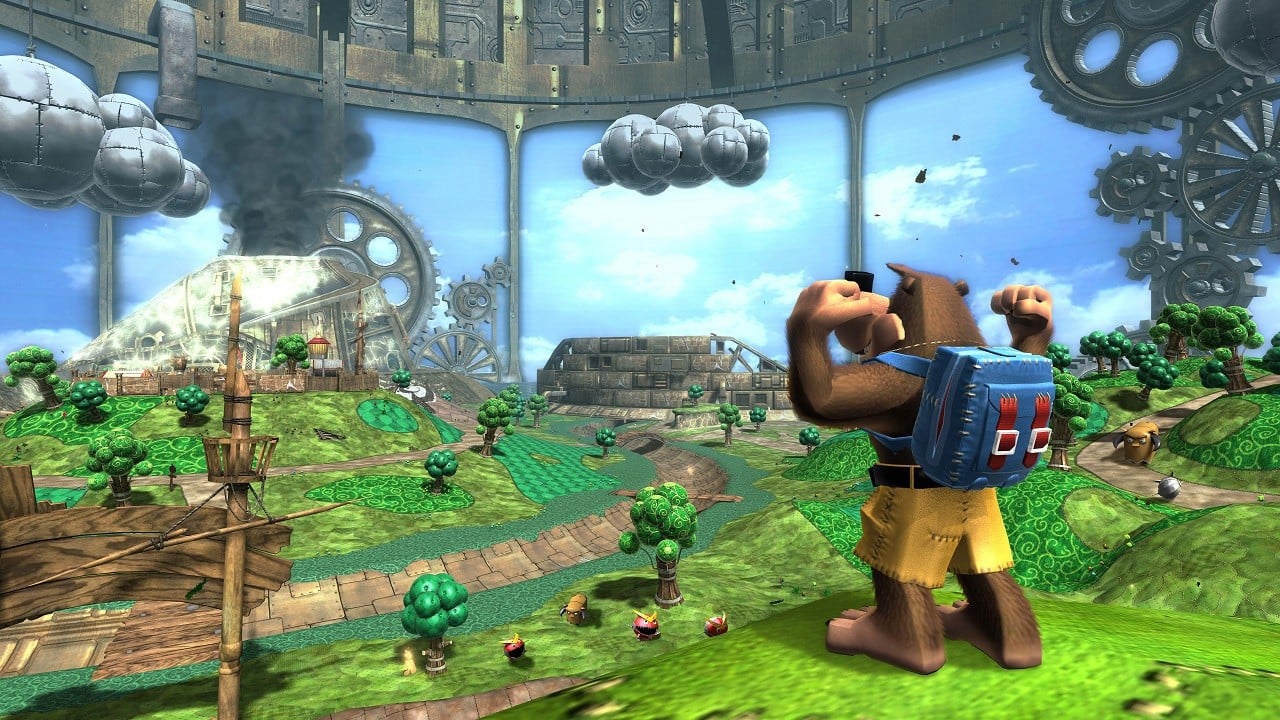
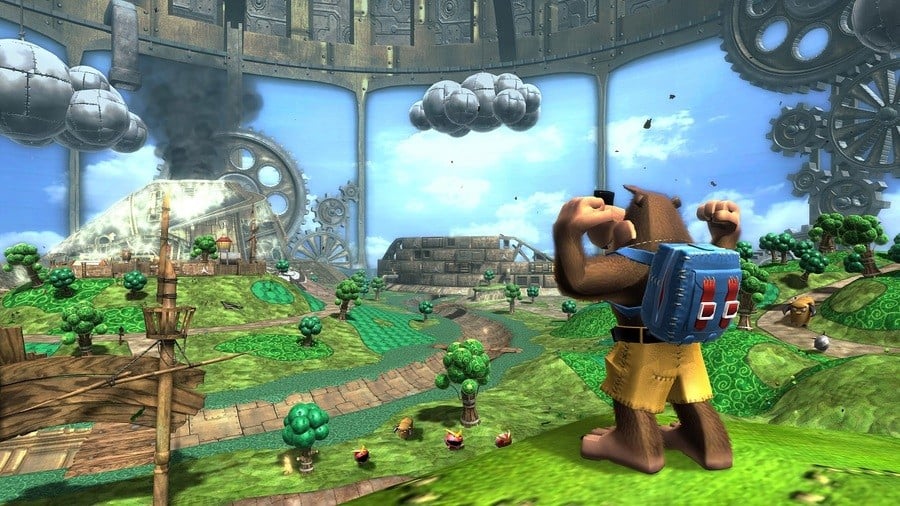
The Rare game that made Fries feel best about the purchase was Banjo-Kazooie: Nuts & Bolts. What stood out to him was its playful use of physics-based building, where players could create machines and solve problems through construction rather than simply follow the shape of older Banjo games.
Fries also connected that idea to a much later Nintendo hit, The Legend of Zelda: Tears of the Kingdom. He felt Nuts & Bolts was strongly echoed by Zelda's construction-focused creativity, which made him feel that Rare's inventive spirit had very much survived the move to Xbox.
Why Rare Has Not Simply Gone Back
When asked why Rare has not spent more of its recent life returning to older properties, Fries pointed toward the hard reality of making games. A studio can repeat a success, but even that is difficult. He used Ensemble Studios as an example: it made Age of Empires, then kept making more Age of Empires, and still faced the pressure of living up to a hit.
By contrast, Fries sees Rare as a studio that keeps trying unusual new ideas. That is a tougher road, because in the games business many experiments do not land. If Rare had focused only on sequels to something like Perfect Dark, it might have looked more commercially steady, but it would not have shown the same appetite for originality.