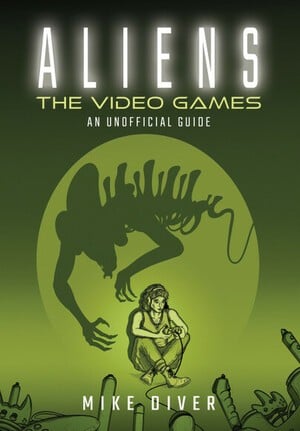
The Alien films have left a long trail through video games, and Mike Diver has decided to map that trail properly. His book, Aliens: The Video Games, is built around the many games inspired by the series, from big official releases to smaller curiosities that sit far outside the usual spotlight. For anyone who grew up with a cartridge, joystick, or coin-op cabinet nearby, it is the kind of subject that instantly feels bigger than a simple checklist.
Diver is a video game journalist, but this project did not begin as a dry catalogue. The starting point was his interest in looking more closely at Alien 3 in game form. That one film produced four very different official tie-ins, which is already a wonderfully odd retro story on its own. Instead of one standard licensed game, players got several different interpretations across different machines.
Why Alien 3 Opened The Door
The Alien 3 games showed how flexible, and sometimes strange, licensed games could be in the early 1990s. On Mega Drive, Alien 3 became a fast action-platformer, a version that was also ported widely. On SNES, it turned into a slower side-scroller with an almost Metroidvania feel. On Game Boy, it was shaped as a top-down puzzler. Those differences gave Diver a way into a bigger question: what happens when the same film is translated into several very different game languages?
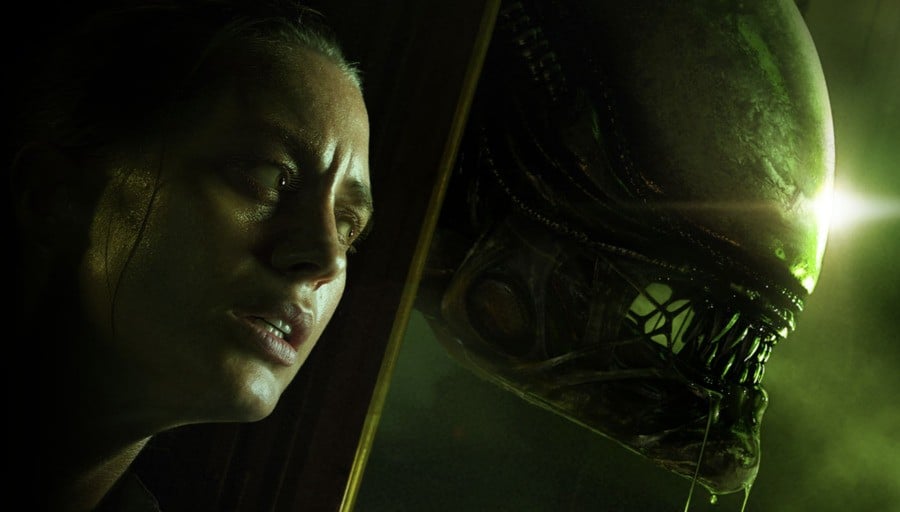
That idea grew beyond Alien 3. Diver was not only interested in listing the games, but in understanding them as adaptations. The Alien series has always had a strong visual and emotional identity: dark corridors, desperate survival, soldiers under pressure, and the constant feeling that something worse may be waiting just off-screen. Games have tried to catch that mood in many ways, and not always with the same level of care.
It helped that Diver already had a real affection for the wider Alien series, not just the games. That matters with a subject like this. A book about licensed games can easily become a run through release dates and formats, but Alien has a history that invites a more personal and curious approach. The best games in the line are not only interesting because they carry a famous name; they are interesting because they reveal what different developers thought the Alien experience should feel like when a player was holding the controls.
The Ups And Downs Of Licensed Games
Diver also points to a familiar problem from the 1980s and 1990s: licensed game fatigue. Many film tie-ins from that period were made quickly so they could arrive close to the movie they were supporting. That schedule often shaped the finished game before any design dream could fully grow. When a team has to move too fast, shortcuts become tempting, testing gets squeezed, and quality can suffer.
That does not mean licensed games were doomed to be weak. Diver sees a clear difference between projects made with real enthusiasm for the material and projects treated as another contract to finish. When the people making the game care about the world, the characters, and the story they are adapting, the result can be memorable. When nobody involved feels that connection, the game is more likely to feel thin, rushed, or disconnected from the fiction it is supposed to bring to life.
The Alien games are a useful case study because the license is so strong. Developers had powerful images and ideas to work from, but they also had to choose what kind of Alien game they were making. Was it about action? Exploration? Panic? Puzzle-solving? Co-op fun? The answers changed from machine to machine and from studio to studio. That variety is part of what gives the series such a busy game history.
A Famous Sample With A Risky Backstory
One of the most striking stories around Alien 3 on SNES involves its game over audio. When the player dies, the game uses the famous Bill Paxton line from Aliens, spoken by Hudson. According to producer Tony Beckwith, that sample had not been cleared by Fox. The approval cartridge sent to Fox did not include it, while the cartridge sent for manufacturing did.

It is a very 16-bit kind of story: cheeky, risky, and hard to imagine happening quietly today. The line itself belongs to Aliens rather than Alien 3, which makes the moment even more curious. It also shows how loose some parts of the licensed game process could be at the time. A small audio gag could slip into a finished product, even when the legal permission around it was not properly settled.
That detail explains the sharp warning in the book's wider conversation around the subject. Pulling that kind of move could have led to serious legal trouble. In the older cartridge era, however, some developers and producers still found ways to sneak personality into games, even when it meant stepping outside the official approval path. For retro fans, these stories are part of the texture: the games are not only software, but artifacts from a looser and more improvised industry.
Fan Games And Specialist Audiences
The book also looks beyond official releases and into fan-made Alien projects. These unofficial games occupy a different space from licensed products. They are not aimed at a broad commercial market, and Diver describes their audience as small and highly specialist. In that sense, they are not really chasing the kind of business that Disney would be expected to focus on.