A Different Kind Of Early Super Famicom Wonder
When the Super Famicom arrived in Japan, it was easy to see why games like Super Mario World, F-Zero, and Pilotwings took so much of the spotlight. Super Mario World was, and still feels, like one of the great 2D platformers. F-Zero and Pilotwings also gave players a clear look at the console's much-talked-about rotation and scaling effects, the kind of visual trickery that made the machine feel expensive, futuristic, and very new.
But for some players, especially those who did not get the system until its official UK launch in April 1992, the early Super NES game that really stood out was ActRaiser from Enix. It was not simply another action game with sharper graphics. It mixed side-scrolling platform stages with God Sim-style town care, bringing together two ideas that had not often been seen in one cartridge. That strange pairing gave the game a personality all its own.
Not Quite A Launch Game, But It Felt Like One
ActRaiser was not technically a Japanese launch title. It reached Japan on December 16, 1990, a few weeks after the Super Famicom itself. Even so, in the early 1990s, information moved slowly. Imported games, print magazines, and physical distribution shaped how people discovered new releases. A game could already be months old in Japan and still feel brand new elsewhere, simply because most players had never seen it before.
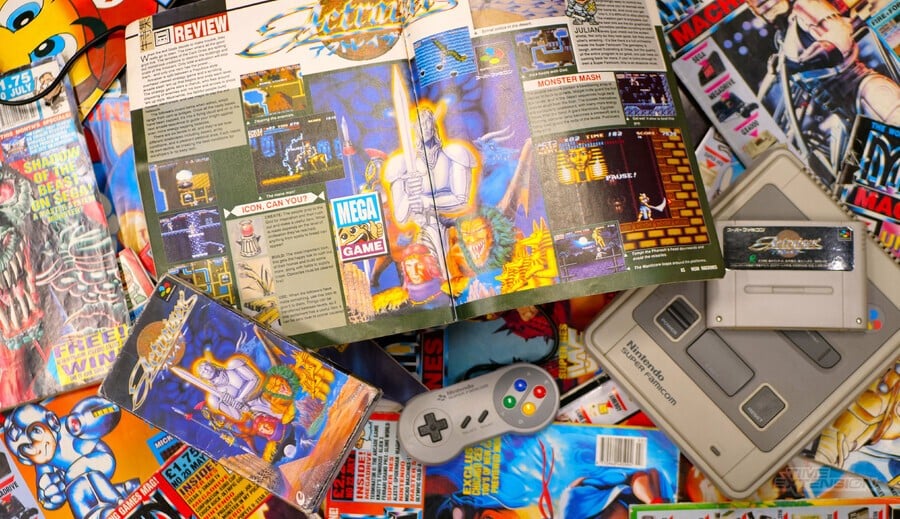
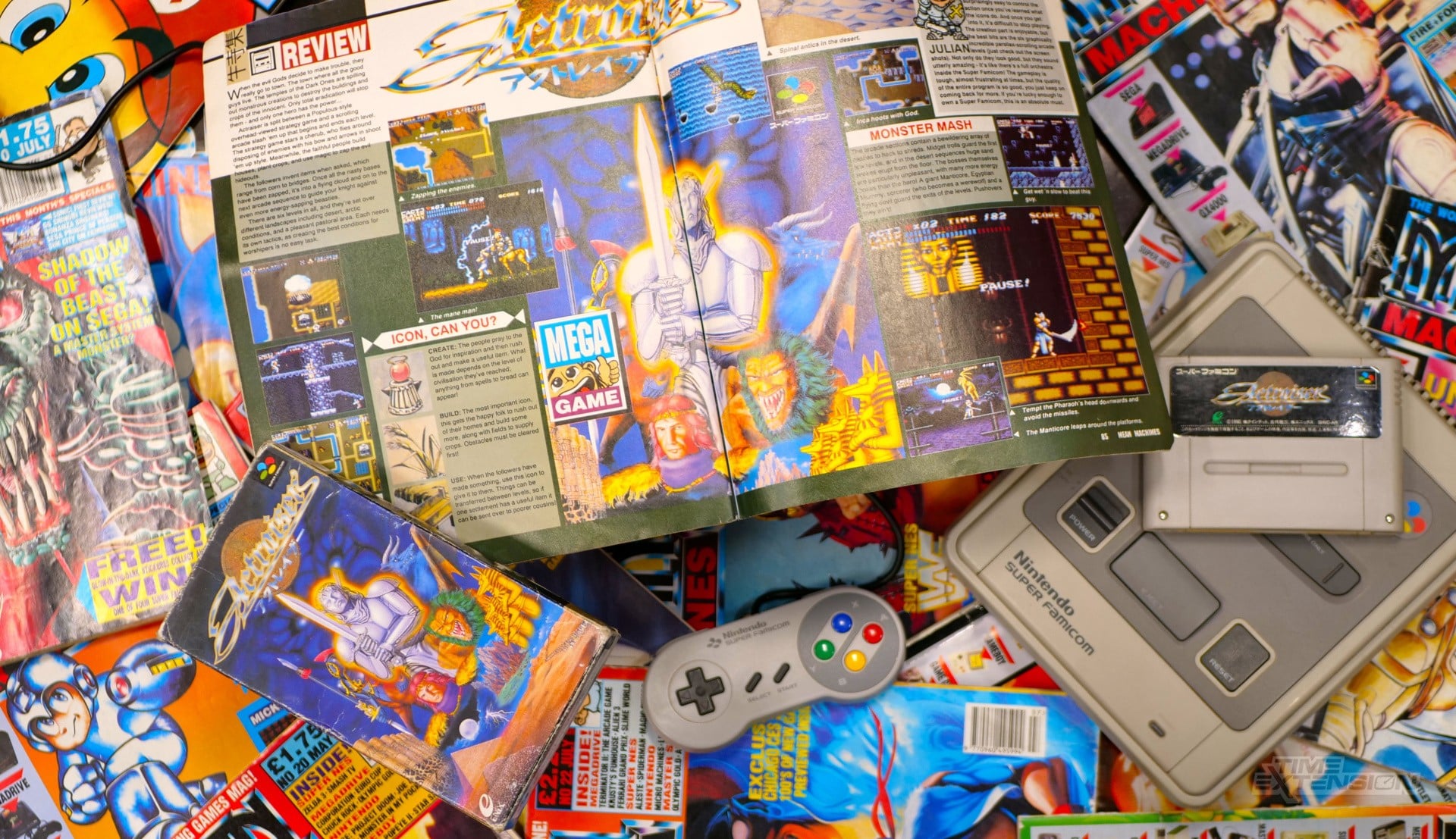
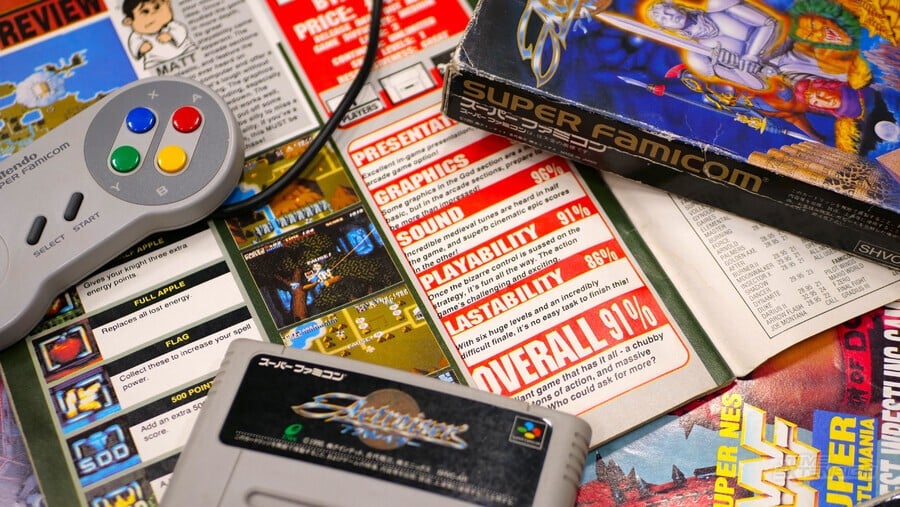
That older rhythm is hard to explain now. Today, games can spend years in trailers, previews, and online chatter before release. Back then, a magazine review might be the very first time a reader learned that a game existed. ActRaiser had that kind of arrival. It appeared in issue 7 of Mean Machines in April, four full months after its Japanese release, with a glowing three-page review and a score of 91 percent, even though the language barrier was an obvious drawback for import players.
The Review That Made It Feel Huge
The description alone was enough to make the game seem dazzling. ActRaiser was presented as a world where townspeople could be helped by building bridges, where monster lairs could be destroyed, and where peaceful growth sat beside arcade-style action. The six action stages were described as graphically impressive, while the music by Yuzo Koshiro was praised for sounding close to orchestral quality. The soundtrack had such an impact that it was said to have impressed Final Fantasy composer Nobuo Uematsu.
For anyone who already liked Populous, the God Sim side of ActRaiser was not completely unfamiliar. The surprise was the way that idea was fused with action platforming. One moment the player was guiding the growth of settlements, and the next they were fighting through side-scrolling stages. It felt like the Super NES was not just adding prettier pictures, but asking more from game design itself. That was the real next-generation feeling: not only a better-looking game, but a broader one.
A Long Wait For Europe
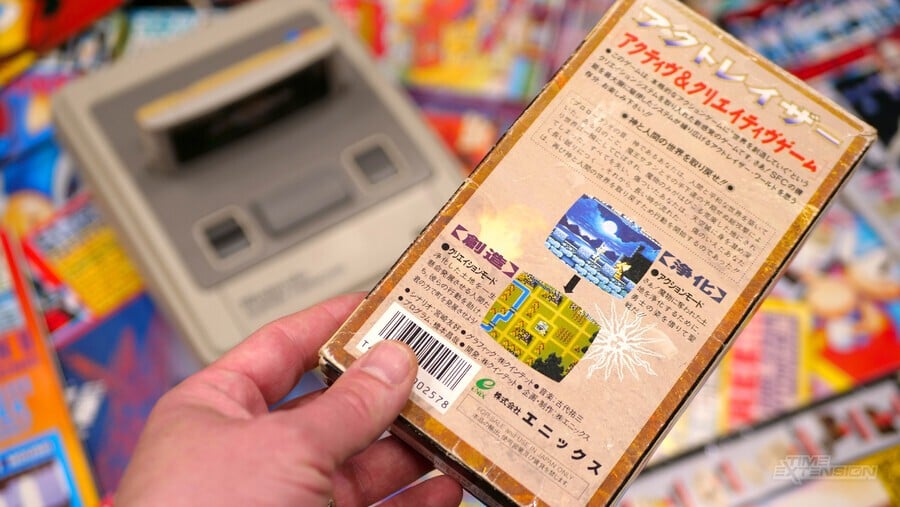
Knowing about ActRaiser did not make it easy to play. The gap between that early magazine discovery and the UK launch of the Super NES was almost a year. Even then, ActRaiser was not part of the British launch lineup. Europe did not get the game until March 1993, which made the wait feel even longer for anyone who had been carrying that magazine-fuelled excitement since 1991.
When the game finally did become playable, it lived up to the pressure placed on it. The town-building sections could be completely absorbing, to the point that the action stages, strong as they were, sometimes felt like interruptions. That says a lot about the pull of the simulation side. ActRaiser was not just memorable because it had two halves. It was memorable because the quieter, slower half had enough charm to compete with the showier arcade sections.
Looking back at the early Super NES years brings plenty of bright memories. Super Mario World could take over a player's life for a while, and F-Zero's smooth, rotating tracks could stun friends used to other home computers and consoles. Yet ActRaiser still holds a special place because of its music and its confidence in blending two very different genres. A later remake for modern systems was enjoyable, but it did not replace the beauty of the original. For many retro players, ActRaiser remains a true work of art.